
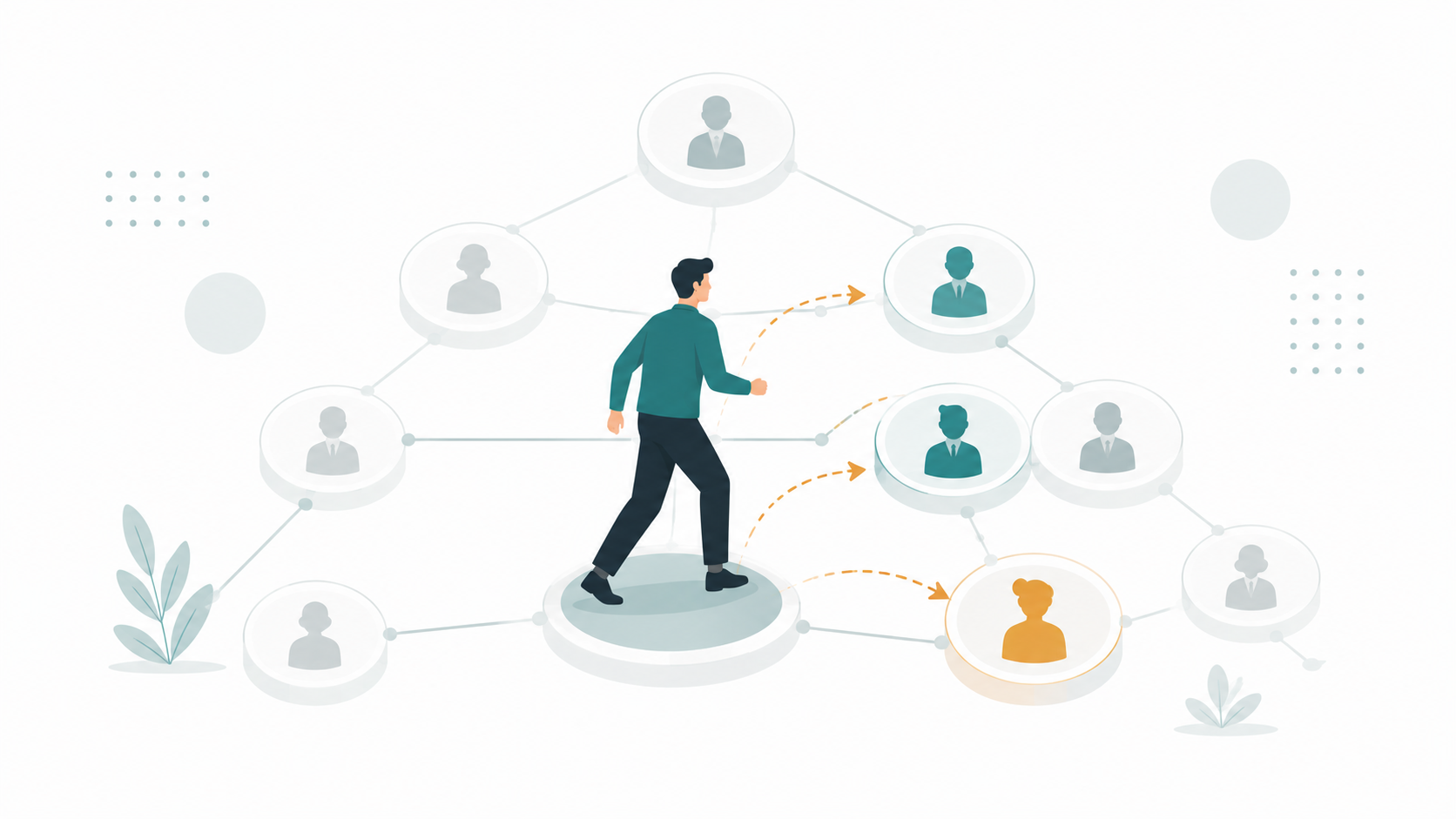
Internal mobility is the practice of moving employees to different roles, projects, or teams within the same organization — either vertically (promotion) or laterally (role rotation) — as a way to develop capability, maintain engagement, and retain talent without hiring from outside.
It’s one of the most underrated retention strategies — but also one of the most commonly done wrong.
Employees who feel their careers are stagnating are the employees most at risk of resigning. Not because they dislike their work — but because they can’t see where they can grow within the same organization. Internal mobility addresses this directly: providing new challenges, new perspectives, and real growth — without losing the institutional knowledge that person has built.
Mobility without clear mapping
Moving someone to a new role without understanding whether their working patterns fit that role’s demands — simply because “they’ve been here a long time” or “there’s no one else.” This isn’t healthy internal mobility, it’s directionless rotation that risks creating a new mismatch.
Only available at certain levels
Internal mobility that only applies to managers and above misses most of the employee population most at risk of resigning — those at individual contributor level with limited career growth visibility.
No transparency about available opportunities
Many employees don’t know internal opportunities exist — because the information isn’t actively communicated. As a result, they look for opportunities outside rather than inside.
Map employee capabilities and working patterns objectively before deciding where someone could move. Communicate opportunities actively and transparently. And ensure moves happen based on genuine fit — not just position availability.
Cavlent helps organizations understand employee working patterns and motivation objectively — providing data that makes internal mobility decisions more targeted and more likely to succeed than rotation based on intuition alone.
→ Explore Cavlent’s solutions for people development and retention
→ Employee retention isn’t about benefits — it’s about this
→ Why your best employee isn’t always your best future leader
→ What is skills mismatch — and why it’s quietly hurting your business
What is internal mobility?
Internal mobility is the practice of moving employees to different roles, projects, or teams within the same organization — either vertically or laterally — as a way to develop capability, maintain engagement, and retain talent without hiring from outside.
Why is internal mobility effective for retaining employees?
Because one of the main reasons employees resign is feeling their career is stagnating — no new challenges or clear growth direction. Internal mobility addresses this directly by providing development opportunities within the same organization, without losing the institutional knowledge they’ve built.
What makes an internal mobility program succeed or fail?
Programs succeed when moves are based on objective capability and working pattern mapping, opportunities are communicated actively and transparently, and it’s available at all employee levels — not just managers and above. Programs fail when rotation is done without clear direction, simply because a position is open or someone has been in one role too long.